🔗 The Art of Indifference: How Olive Young Conquered the K-Beauty Market

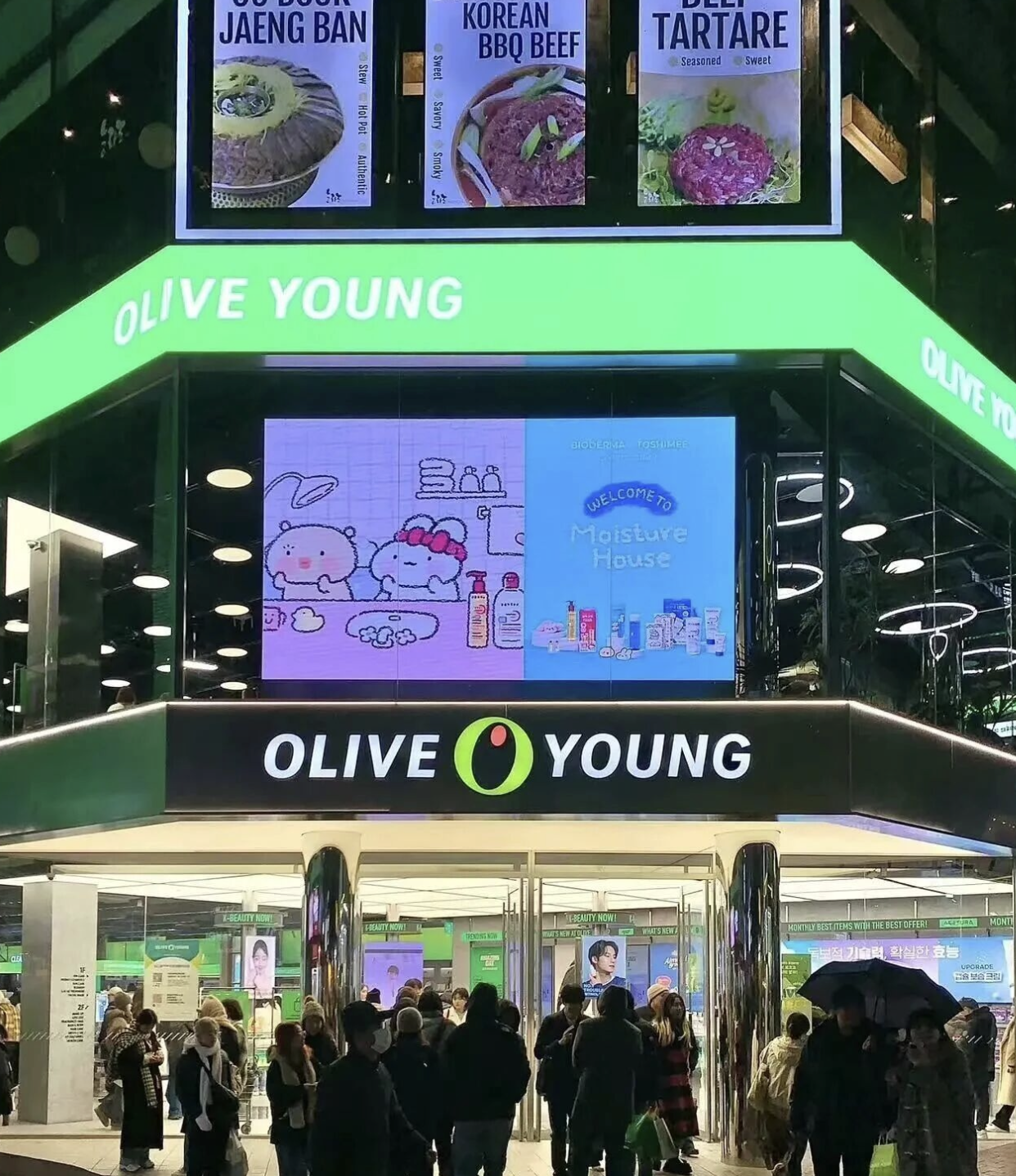
Olive Young, South Korea’s dominant health and beauty retailer, proves that sometimes “leaving the customer alone” can be the smartest strategy of all. What began as a convenience-based chain has evolved into a cultural phenomenon and is now a global force redefining beauty retail.
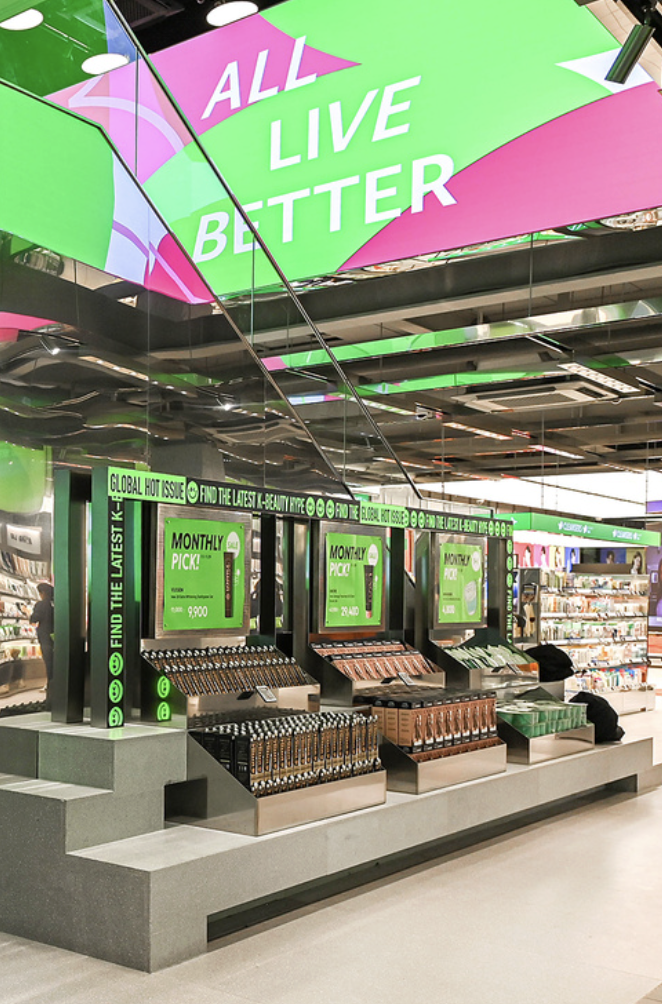
The “Half-Service” Strategy
Olive Young practices what Koreans call a “Half-Service” model. Staff warmly greet customers at the entrance, saying, “Let us know if you need anything,” and then step back and let them explore freely. This hands-off approach has turned Olive Young into an introvert’s sanctuary. A viral Korean meme even jokes, “If you want to end a hangout politely, just say, ‘I’m going to Olive Young.’ Your friend will understand.”
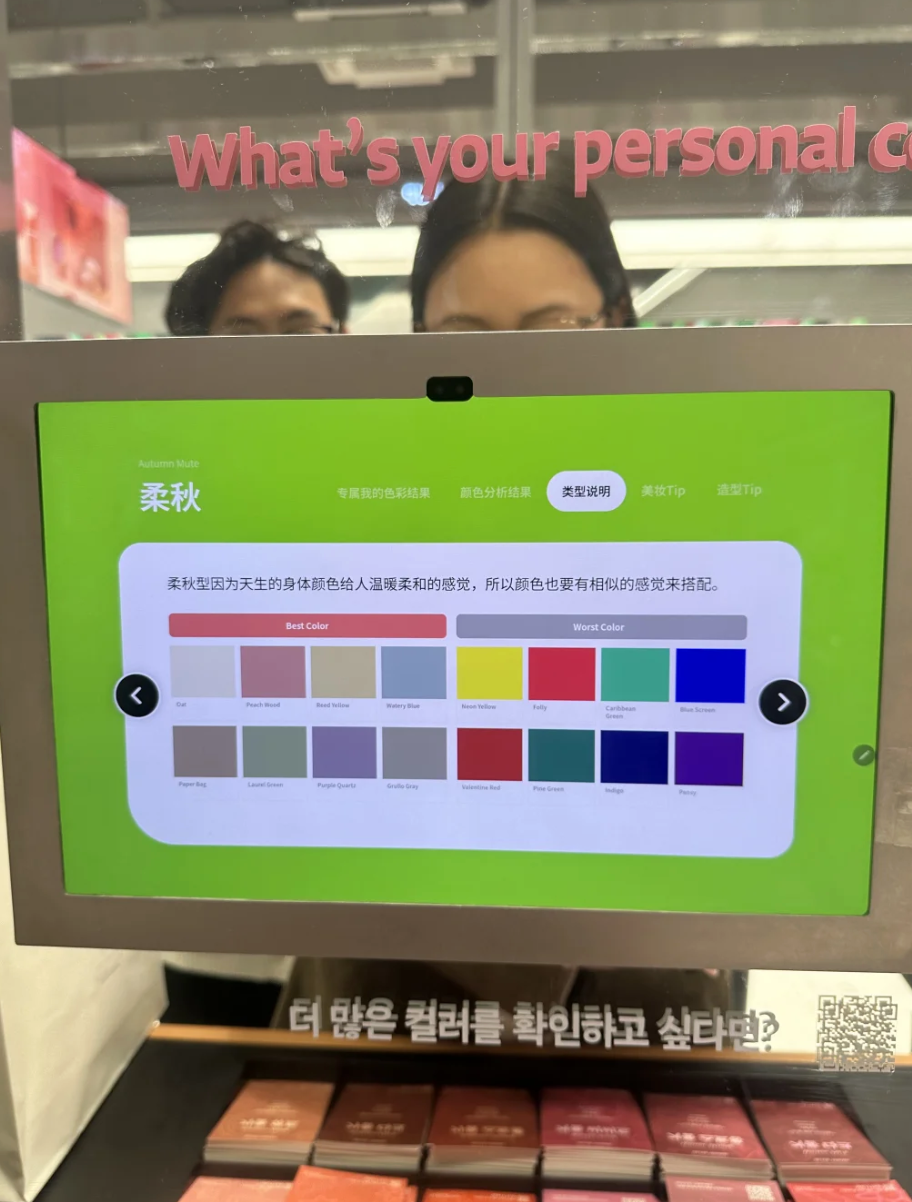
Image via RED
Unlike high-pressure department store counters or boutique brand shops, Olive Young allows consumers to browse, sample, and purchase at their own pace. This formula has proven highly effective in a market where autonomy and comfort matter as much as product selection.
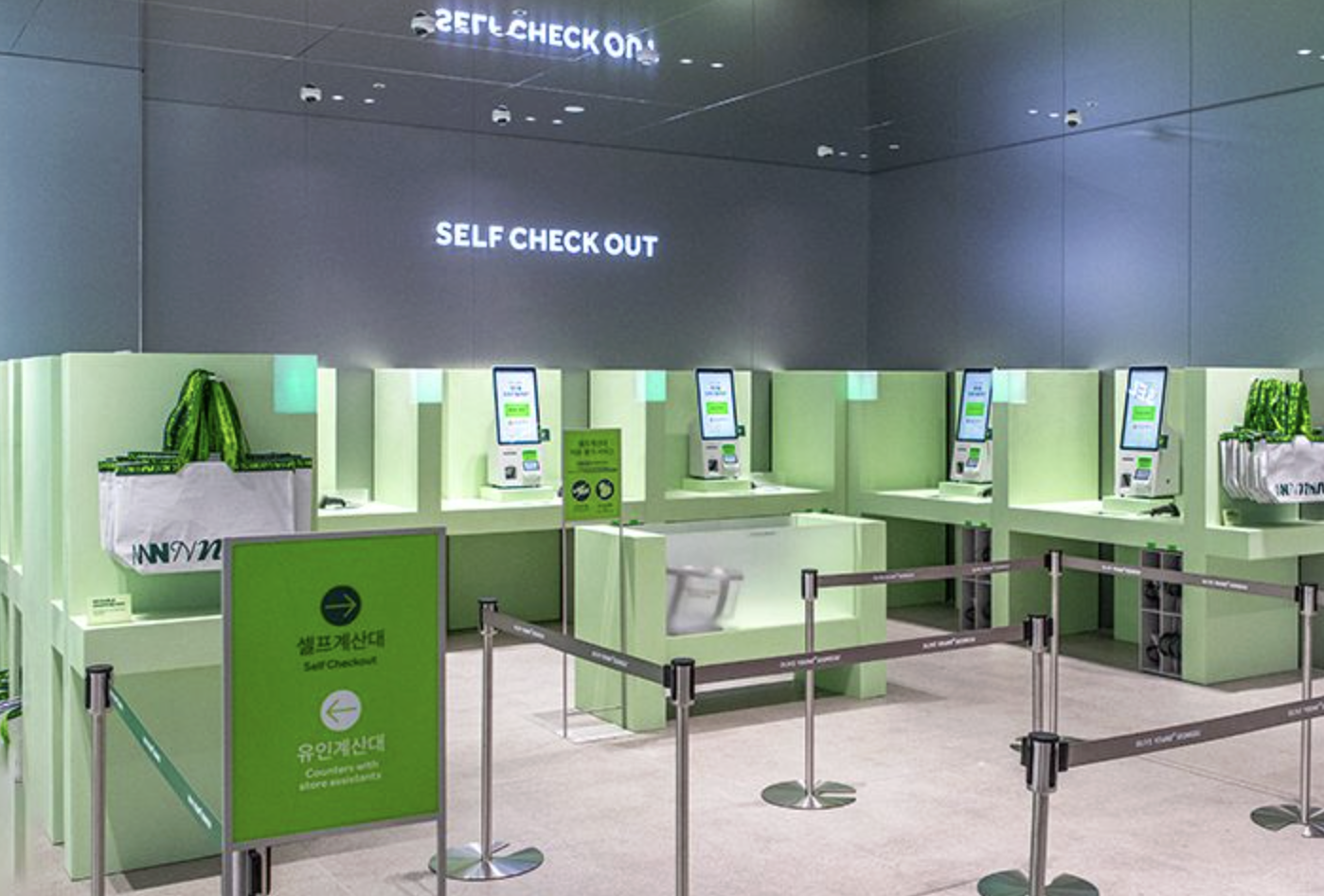
“Olive Young is simply the best,” says Stella, a frequent shopper. “Instead of visiting separate brand stores or battling the intimidating first floor of department stores, you can find everything here, test it, and buy only what you like.”
A Real-Time Trend Barometer
With more than 15 million loyalty members in a country of 51 million, Olive Young has unparalleled access to real-time consumer data. Its Olive Young Ranking, the store’s top-selling products list, has become the K-Beauty industry’s most trusted trend indicator. When a product ranks high, it often goes viral overnight.
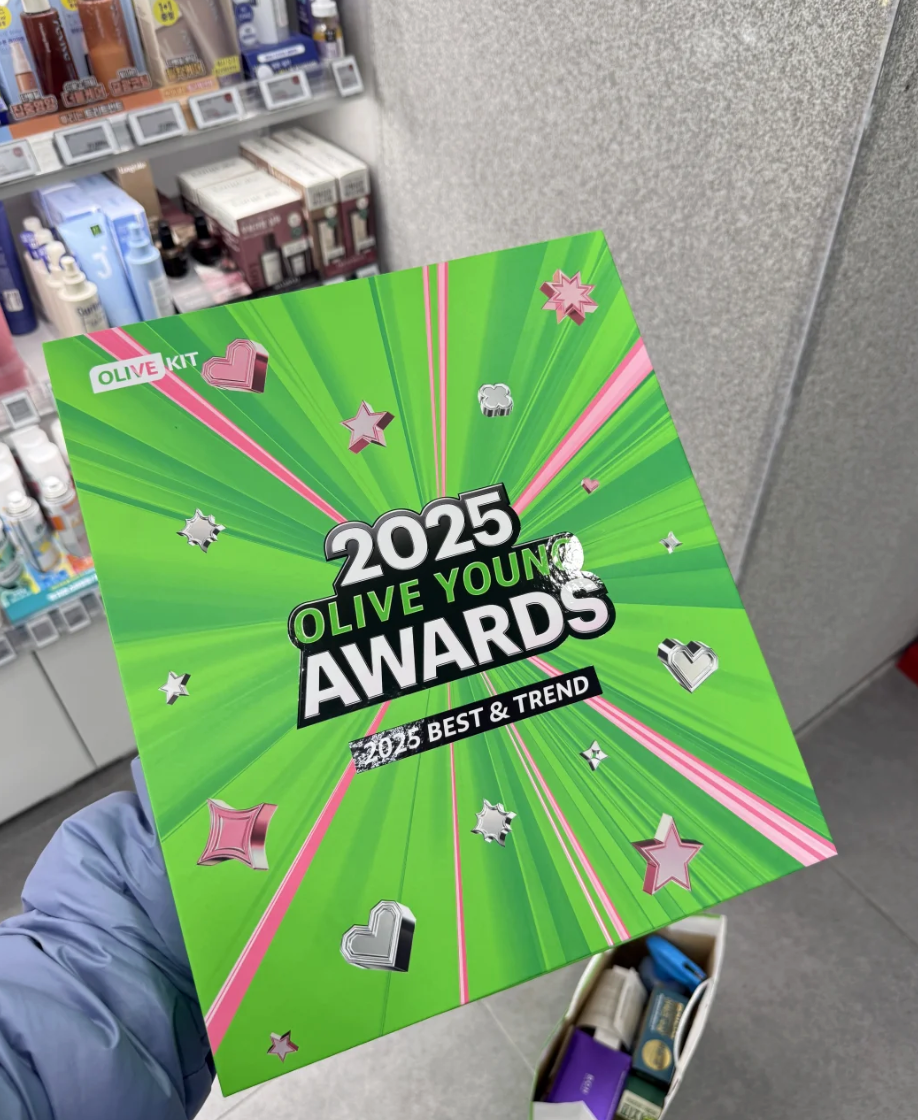
Tourists trust it too. Many international visitors shop directly from the top-ranked list, seeing it as the collective verdict of Korean consumers and, effectively, crowdsourced curation. According to CJ Olive Young’s 2024 report, over 30% of Olive Young’s online traffic now comes from overseas, proving its status as a benchmark for global beauty trends.
The Indie Brand Incubator
When major beauty conglomerates originally dismissed Olive Young as a minor distribution channel, the company pivoted. It partnered with indie beauty brands, leveraging Korea’s world-class ODM (Original Design Manufacturer) infrastructure, including innovators like Cosmax and Kolmar Korea. These collaborations enabled rapid product testing and iteration, a perfect match for the social-media era, where trend cycles are measured in days, not months.
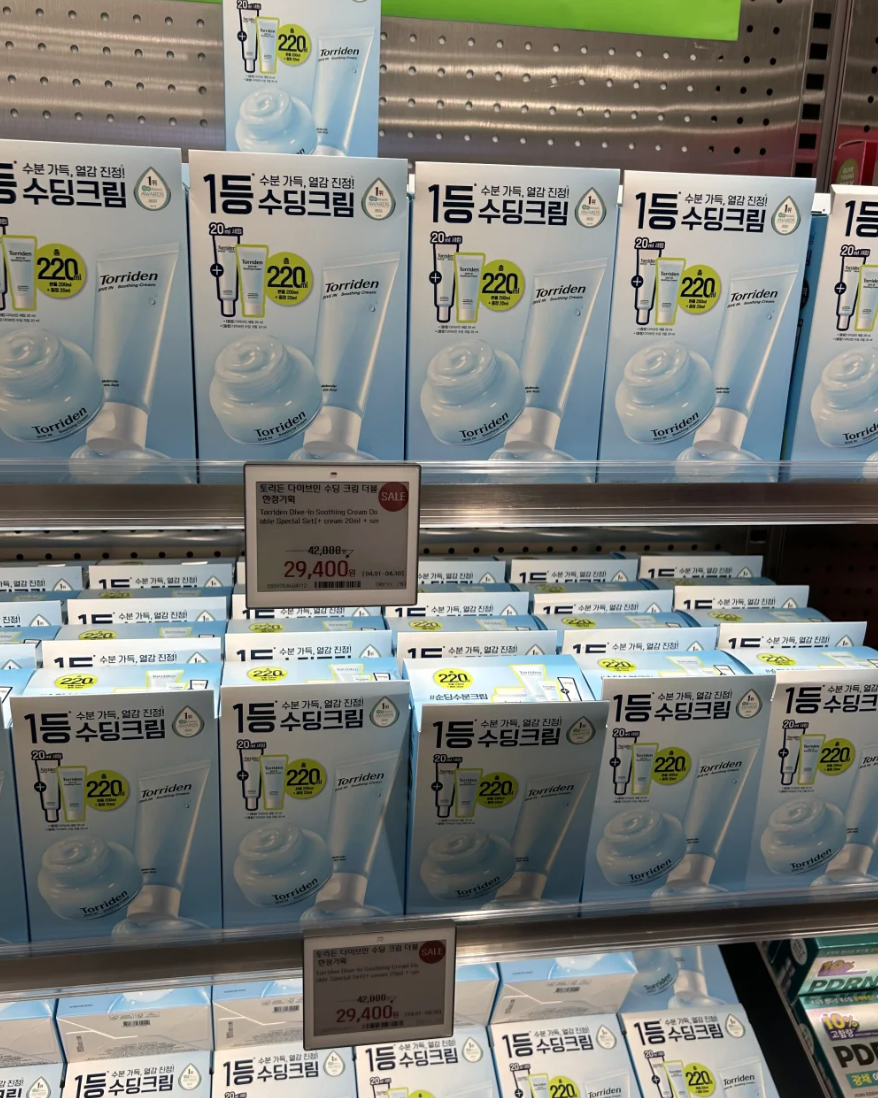
Today, many of Korea’s breakout beauty brands, from Torriden to Round Lab, owe their explosive growth to Olive Young’s platform. The retailer has become the K-Beauty incubator, turning consumer data and shelf space into rocket fuel for small brands.
From Beating Sephora to Targeting the U.S.
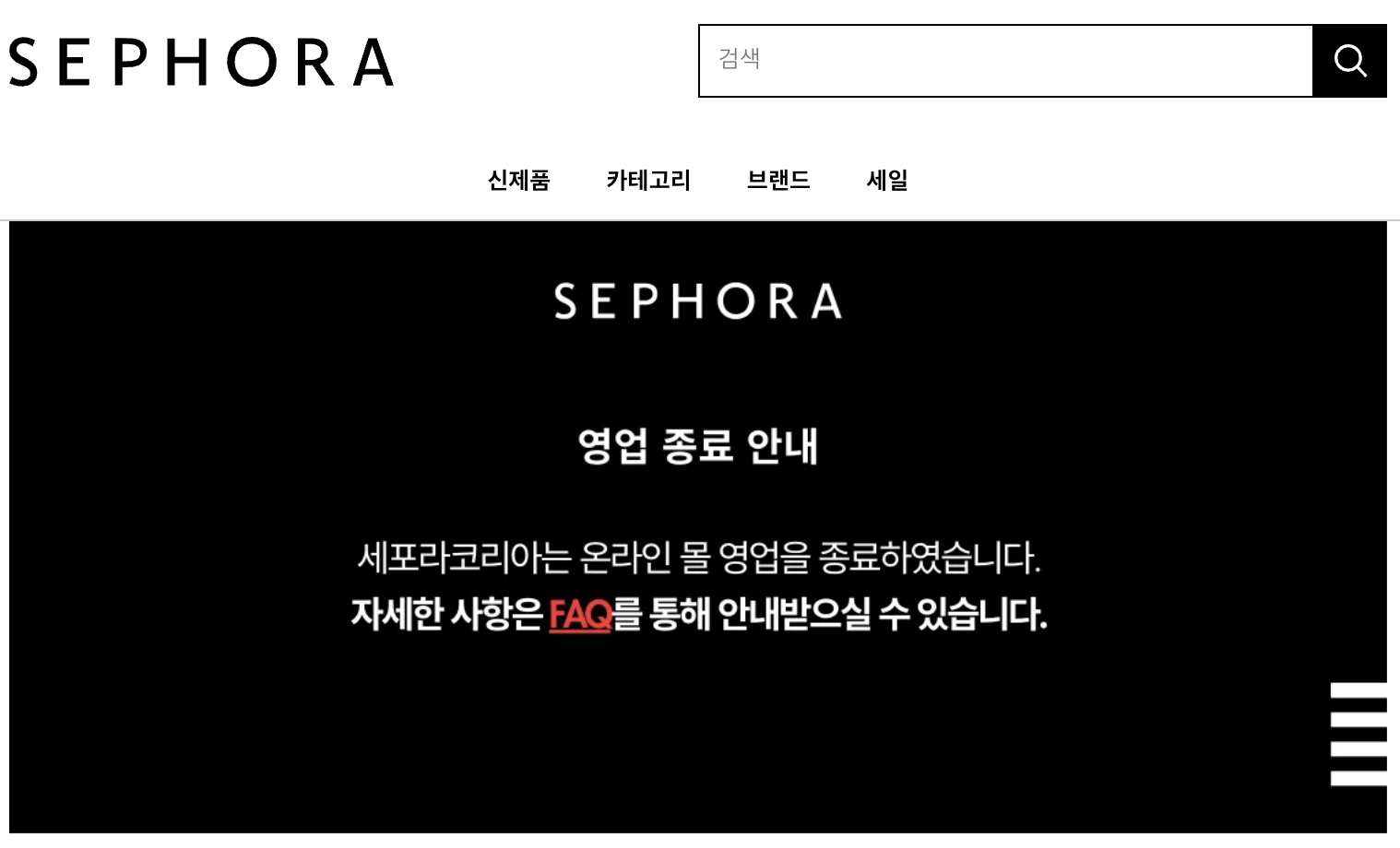
When Sephora exited the Korean market in 2023, Olive Young reported record-high revenue, crossing 3 trillion KRW, or about $2.2 billion, in annual sales.
Now, Olive Young is exporting this model abroad, starting with the United States. The company has established CJ Olive Young USA in Los Angeles and announced that its first permanent U.S. store will open in Pasadena, California, with additional locations in the Greater Los Angeles area under consideration.
A Question of Cultural Translation
The key challenge ahead is cultural. Will Olive Young maintain its characteristically aloof approach to service as it enters the U.S. market, where expectations tend to favor more proactive engagement? More broadly, what defines the ideal in-store experience today, and how can retailers offer customers genuine freedom without appearing distant or unfriendly, particularly within conservative, service-oriented societies like Korea?