🔗 The Next Phase of K-Food


K-Food at a Crossroads
Korean food’s global visibility and demand continue to grow, increasingly showing up in global media, retail, and everyday consumption overseas.
Yet beneath this global appetite, South Korea’s domestic food landscape is under acute pressure. Rising costs, regulatory tightening, and structural fatigue are fundamentally reshaping how Korean food is produced, priced, and sustained at home, even as its popularity continues to accelerate abroad.
What’s happening now?
For decades, South Korea’s restaurant sector relied on a cycle of rapid renewal. Closures were offset by new openings, allowing overall restaurant density to remain stable despite frequent individual business failure. That equilibrium has now broken.

In 2024, full-service restaurant closures reached 15%, the highest rate in nearly two decades. For the first time since 2008, closures outpaced openings, marking a net decline in restaurant count. The issue is not demand, but viability.
Cost inflation is the core driver. Staple agricultural ingredients have seen double-digit increases: rice +13%, cabbage +45%, spinach +100%. Ingredient and labour costs now account for 71% of restaurant revenue. Ingredients alone represent more than half of monthly operating expenses, sharply compressing margins across the sector.
As margins collapse, fragility is accelerating. Nearly half of all restaurant closures now occur within the first six months of operation, indicating that even early-stage momentum and “opening buzz” are no longer sufficient buffers against structural cost pressure.
Media-driven demand vs. operational reality
At the same time, culinary media continues to spotlight selective success. The second broadcast cycle of Netflix’s Culinary Class Wars triggered immediate sell-outs and long waitlists for contestant restaurants.

Image via Netflix
These moments reinforce food’s cultural power, but they also expose a widening gap between visibility-led success and the broader industry’s operational reality. Demand is accelerating, but only a narrow tier of operators can absorb the labour intensity, scale requirements, and cost volatility that follow.
Street food as a micro-signal
Street food offers a parallel signal. One of Korea’s most familiar winter staples, bung-eo-ppang (fish-shaped pastry), has become increasingly scarce. Street-stall presence in Seoul has declined by roughly 20% since 2020, driven by tighter regulation and rising costs.
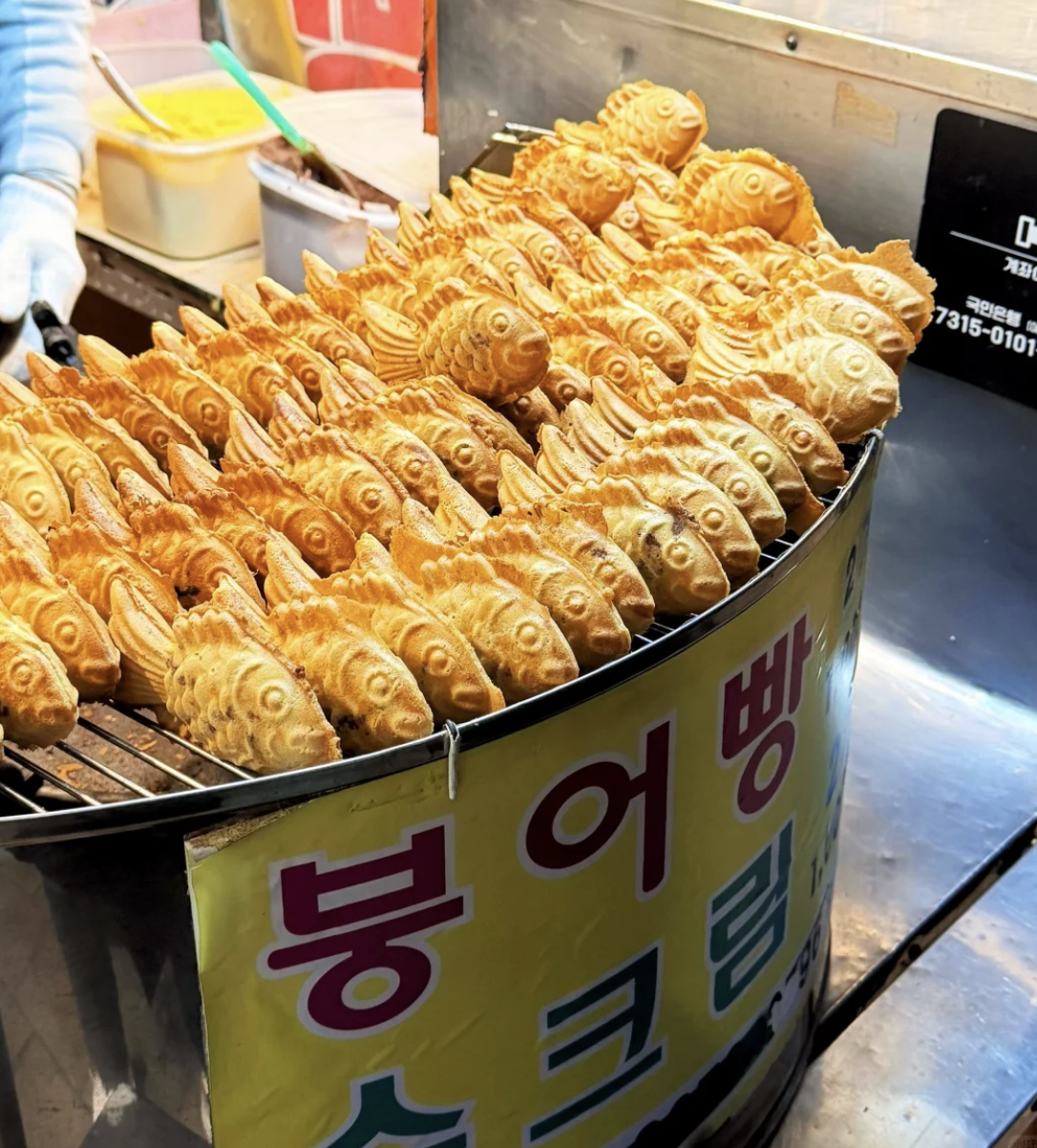
Prices have doubled in real terms over the past decade. Red bean, the pastry’s traditional and most widely consumed filling, has risen by +20% alone.What was once an inexpensive and ubiquitous comfort food has quietly become a constrained and premiumised offering.
Yet rather than disappearing, bung-eo-ppang is re-emerging through format adaptation. Vendors are diversifying fillings such as sweet potato, corn-cheese, kimchi, chocolate, and pizza, while packaged and frozen versions gain traction. Major food manufacturers are scaling bung-eo-ppang into retail and export-ready formats, with overseas sales showing exponential growth.
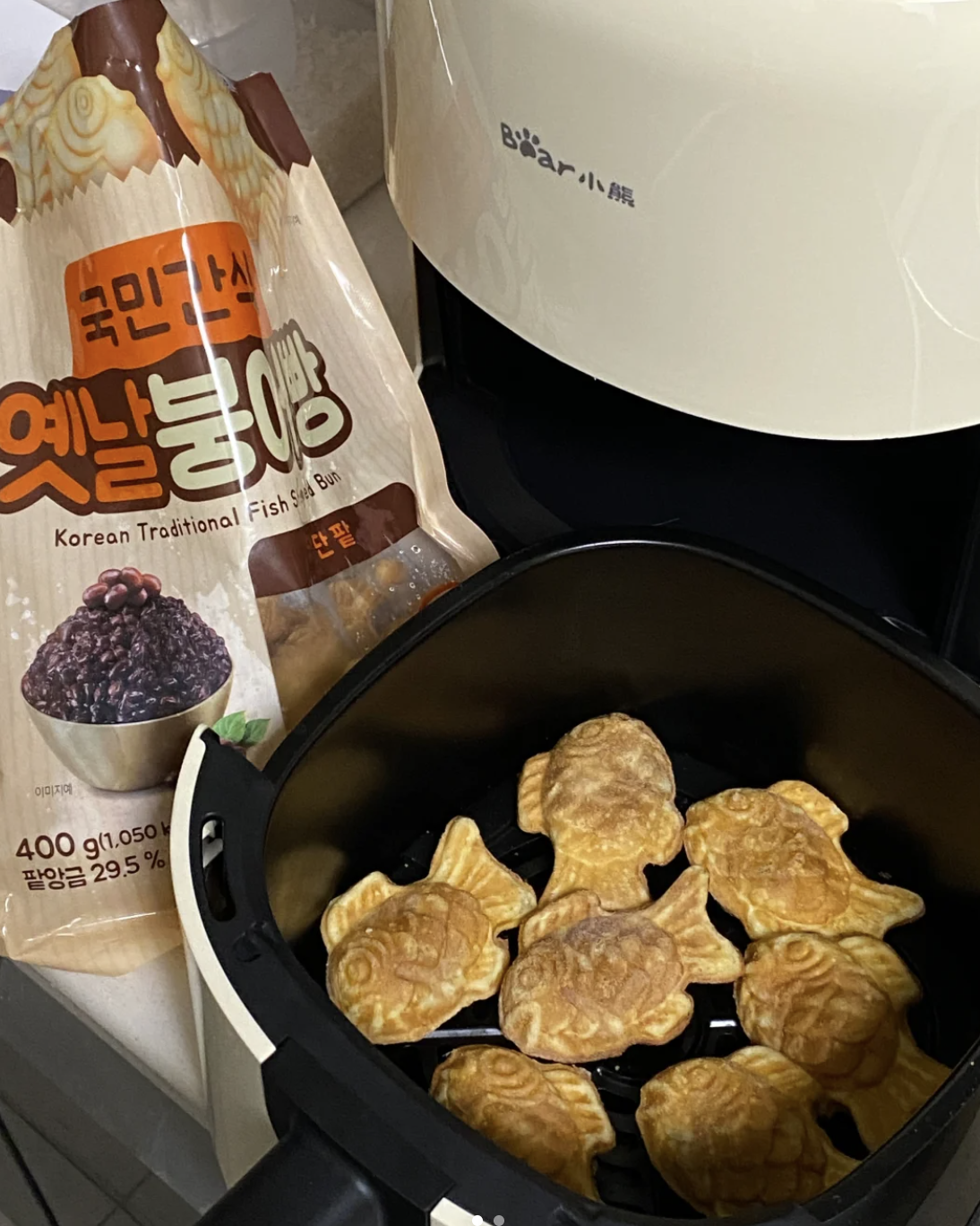
The food persists. The format shifts.
Accessibility as a driver of global traction
Korea’s strongest global food successes have not emerged from its most complex or high-end offerings, but from formats built around accessibility.Products such as Samyang’s Buldak, gimbap, and the clean, minimalist soup concept exemplified by Okdongsikn show how repeatability, sensory clarity, and low cultural friction travel more effectively across markets than culinary specificity alone.

Because food remains deeply tied to culture, global traction is less about preserving every local nuance than about distilling a cultural idea into a form that is immediately legible, affordable, and operationally viable. In this sense, simplification does not signal dilution, but translation.
Why this matters
The defining challenge facing K-food today is not demand or cultural relevance, but whether existing food formats can adapt to sustained economic pressure while remaining culturally legible.
As costs rise and operating conditions tighten, advantage is shifting away from visibility-led concepts toward formats designed to function reliably within everyday eating behaviours.
For global brands and operators looking to establish a food or beverage presence in Korea, the implication is behavioural rather than aesthetic. Effective concepts do not attempt to introduce new rituals or over-explain culture. They attach themselves to routines that already exist.
This is evident in how standardised formats such as Gimbap Cheonguk continue to hold relevance by offering predictable, affordable food that fits seamlessly into daily life. A similar logic underpinned Nike’s soup shop activation in China, which succeeded by inserting the brand into a familiar post-exercise recovery habit rather than staging a high-visibility food experience.
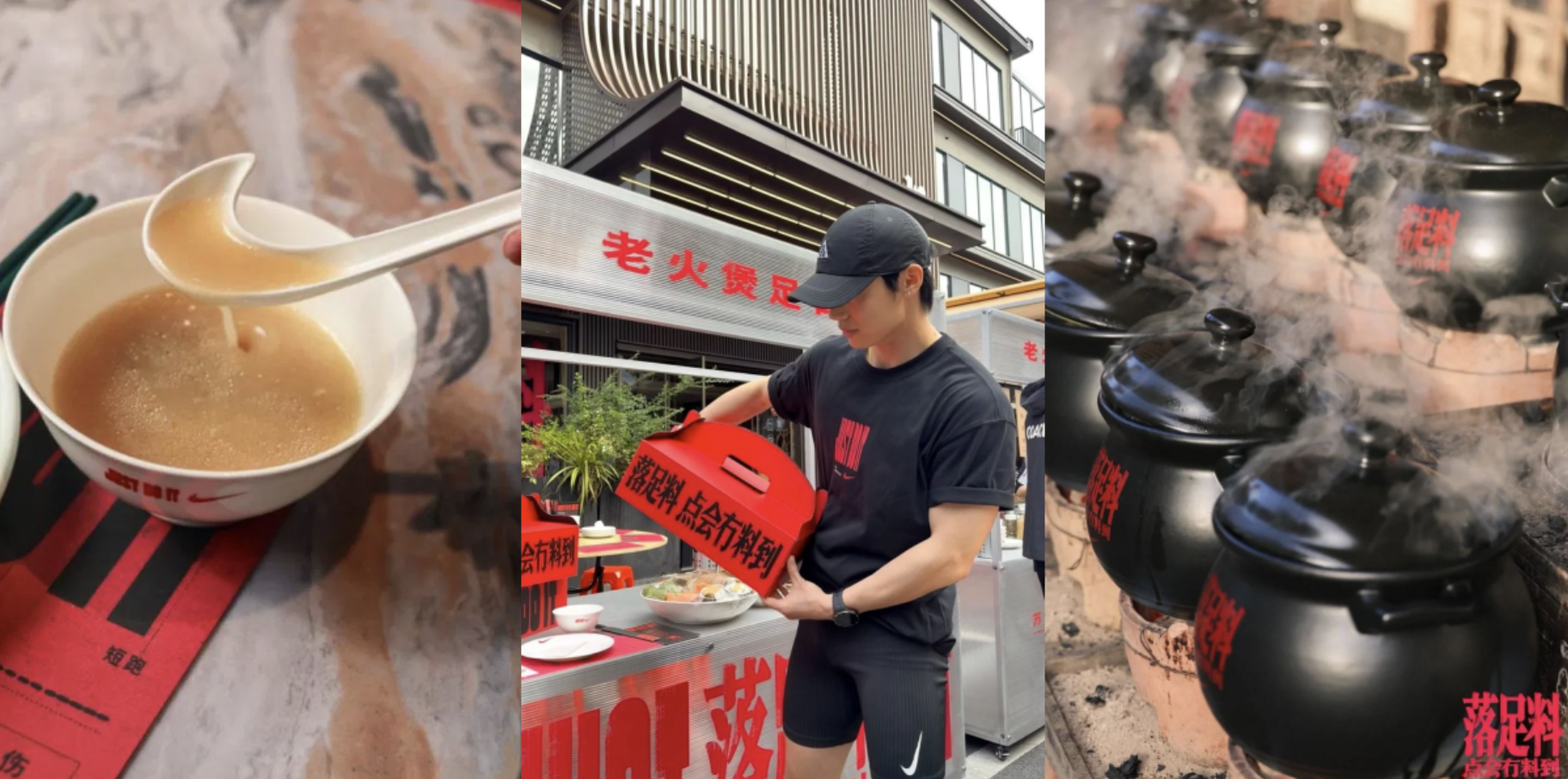
As Korean food becomes more globally familiar, advantage will accrue to brands that prioritise behavioural fit over visibility, designing food concepts that align naturally with how people already eat, recover, commute, or refuel. In this next phase, the strongest operators will not be those that preserve form most faithfully, but those that translate cultural meaning into formats that remain functional, legible, and resilient under pressure.