🔗 Why Brands Must Bet on Korea’s Smallest Generation
đź”—
Selector
In South Korea’s landscape of radical economic uncertainty and stagnation, there is one sector defying gravity: The Kids Sector. ‍
While headlines focus on the country’s demographic cliff, a quieter shift is unfolding on the ground. Traditional family values are slowly regaining traction, with a modest uptick in both marriage and birth rates.Motherhood, too, is being rebranded as aspirational—shaped by global icons like Rihanna and Jennifer Lawrence, as well as local “cool mom” figures such as Ralral, Honey J, and Kim Na-young. ‍
But make no mistake: children in Korea are rarer than ever. The country’s fertility rate still stands at just 0.7. Twenty years ago, elementary school classrooms typically had 40 students. Today, many average fewer than 10. ‍
This scarcity has fueled the rise of the “Gold Kids” phenomenon: fewer children, but exponentially higher spending per child. ‍
And it’s not just parents opening their wallets. Single aunts and uncles, along with doting grandparents, often invest heavily in the one child in the family. Korea also has the highest average maternal age in the OECD (33.6 years old as of 2023), with many women giving birth in their late 30s and 40s. These older, financially stable parents are willing to spend generously. Once a baby arrives, the family’s entire weekend routine begins to orbit around the child. ‍
Brands are increasingly tapping into this dynamic as a powerful growth engine—building loyalty and fandom from the earliest years.
‍
New Balance Kids
‍ Launched exclusively in Korea in 2013 as a global first, New Balance Kids now accounts for 30% of NewBalance Korea’s total revenue and ranks #1 in the domestic kids’ fashion market. ‍
They cracked the code by aligning with the Korean lifecycle and the tastes of fashionable parents. Its strategy goes beyond product and into physical space. In Korea, premium outlets are not simply discount hubs—they’ve become curated destinations for family outings, often featuring collaborations with artists and design studios. ‍
New Balance takes this further by integrating playgrounds directly into its retail design. ‍
Theplayground designed by Jamie Hayon at Hyundai Premium Outlet
The New Balance store at Lotte Premium Outlet Paju.
‍
Hyundai Motor Studio
Hyundai Motor Studio Goyang—Hyundai’s largest experience center—has transformed its ground floor into a massive play zone for kids. ‍
While boys are traditionally drawn to cars,Hyundai aimed to capture a broader audience. Enter Catch! Teenieping—an animation franchise with over 100collectible characters, often nicknamed “Bankruptcy Teenieping” by parents because of its irresistible merchandise appeal. ‍
By collaborating with this IP, Hyundai successfully engaged young girls who might otherwise have little interest in automobiles, turning a car showroom into a true family destination.
‍
Hyundai Motor Studio Goyang
‍
Iloom Pop-up
Furniture brand iloom has shifted its narrative from “studying” to “creating.” Its Little Worker’s House pop-up treats children as small artisans rather than just students. ‍
Instead of simply selling desks, iloom curated an immersive space built around imagination, hands-on workshops, and creative play. The result is a premium brand experience that appeals both to children and to parents seeking meaningful educational value—especially during the long winter break.
‍
iloom's 'Little Worker’s House' pop-up space
‍
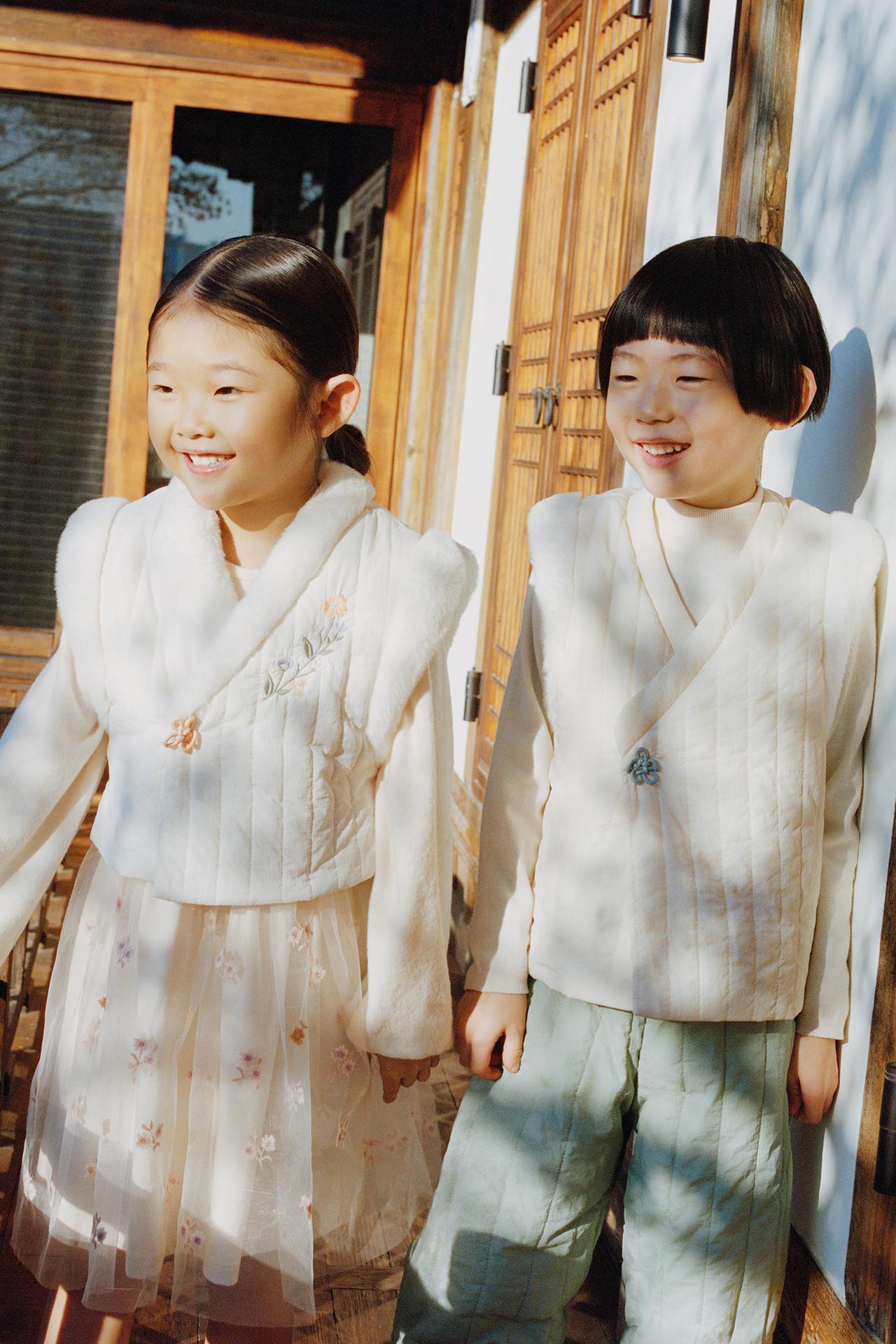
Zara Kids Hanbok ‍
This year marks the fifth consecutive year Zara Kids has released a Hanbok(traditional Korean attire) collection. Hanbok is visually stunning, but often uncomfortable for active children. Zara modernized the tradition by blending practical fabrics with contemporary design. ‍
Notably, Zara rarely localizes its marketing in Korea, usually sticking closely to global guidelines. This Hanbok collection is a rare exception—and a smart one. It builds emotional resonance with Korean consumers, fosters loyalty early, and signals genuine cultural respect.
‍
Zara Kids' Hanbok campaigns
‍
Uncovering what kids truly want is notoriously difficult. Parents often think they know—but children usually disagree. ‍
Still, targeting Korean children, who are growing up in one of the world’s most digitized, fast-paced, and trend-sensitive environments, may be one of the smartest ways to build long-term brand equity. They are tomorrow’s most dynamic consumers. ‍
And in today’s Korea, one thing is increasingly clear: ‍
Capturing the child often means capturing the entire family. ‍
Children are a notoriously hard audience to understand. You can’t rely on statistics or social listening alone—especially when most kids aren’t even present on social media. That’s why brands need to stop guessing and start learning directly, whether through workshops, play-based research, or short in-person conversations.